I went from page builders to custom themes, tools and AI products. AI helps me research and build fast — I shape and check every experience myself. And UI is my strongest craft: everything I make looks as good as it works.
Based in
Delhi, India Working across timezones
Built with
JavaScript, React, Next.js Vertex AI, Firebase, AI APIs Three.js, WordPress, WooCommerce PHP, Shopify — and many more
Now
My CA — in development Lemain Commerce — release candidate
Start a project
Have a what if? Tell me the outcome. Scope and price within 48 hours.
Product film · 30 s · app screens recreated with sample orders
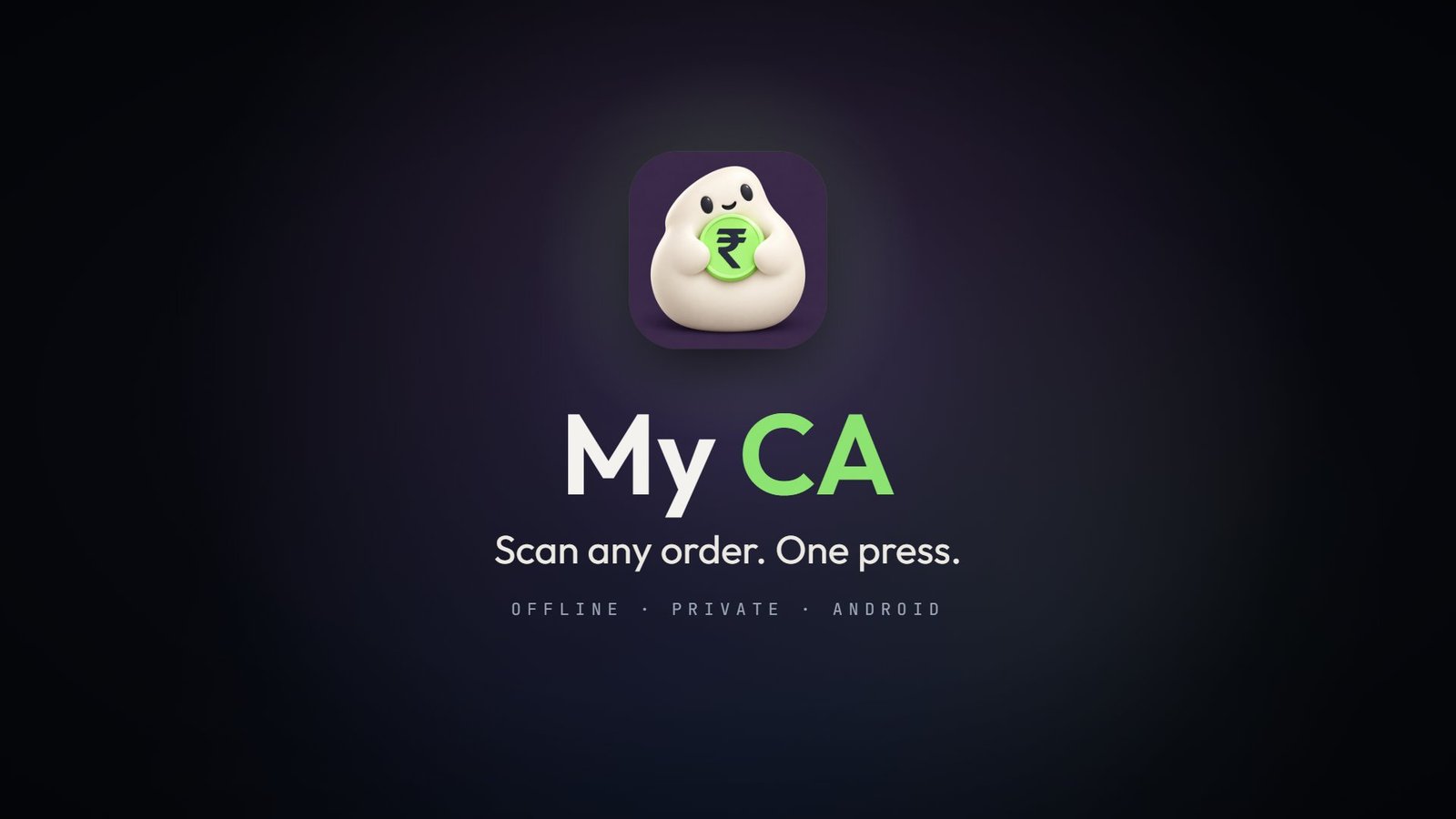
What if every order sorted itself?
Your bank knows how much. Not what.
An Android app that turns online shopping orders into a clear spending record. Open an order, long-press Home, and it reads the shop, the total and every item, then files each item in its aisle.
In development · in use on my phone · personal project
The problem
A bank message says how much went out, not what it bought. Small grocery and snack orders add up, and by the end of the month nobody can say where the money went.
What I did
I defined the product and its one hard rule: no internet, no account, no cloud. I designed the orders-first interface, split the build into work packages for AI coding agents running in parallel, reviewed their work and tested each version on my own phone. I also directed the 30-second film, built in code with Remotion.
How it’s built
Kotlin and Jetpack Compose, with Room for local records. The app registers as the phone’s assistant, so a long-press on Home lets it read the order on screen. Google ML Kit recognises the text on the device, the app checks that the bill adds up, and a small on-device model sorts each item into an aisle. The build fails if internet access is ever added.
Where it stands
Version 3.0 runs on my own phone. Order reading is tested with Zepto, Blinkit and Instamart. Payment receipts are being added now. It isn’t on the Play Store yet, and app backup still needs locking down before release.
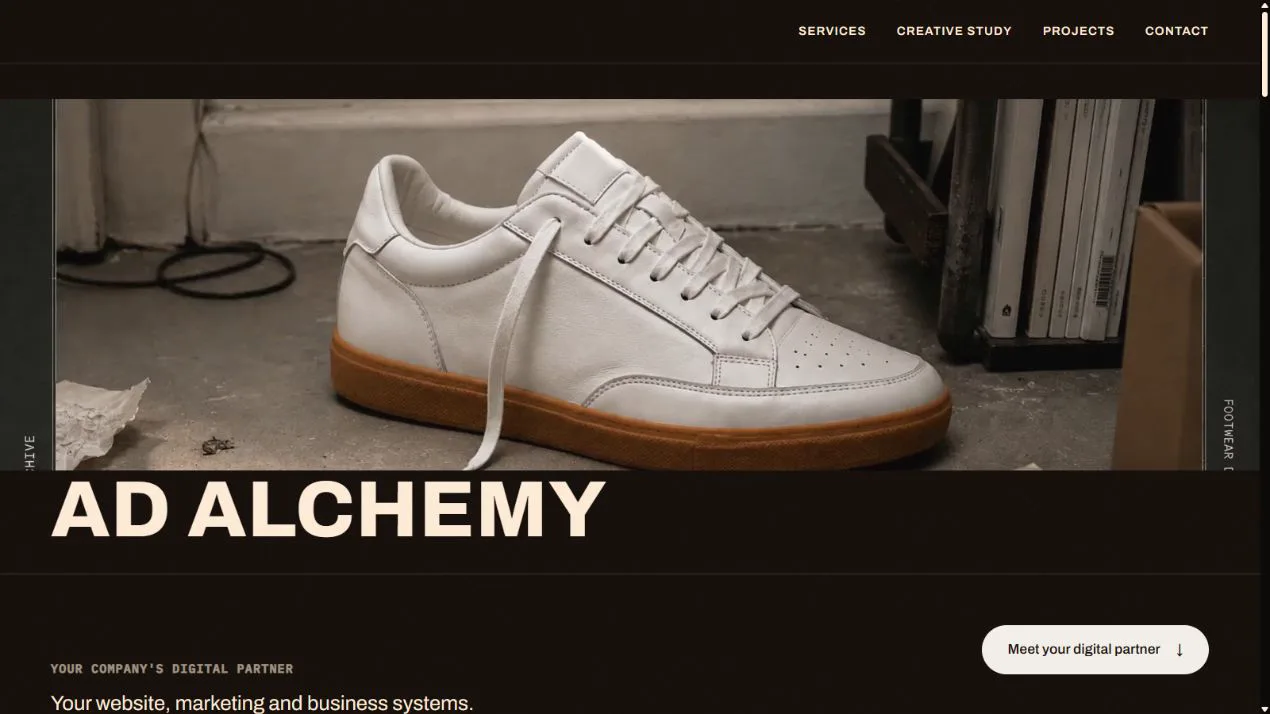
The AI-generated opening film from the site · 11 s, no narration
What if the website were the ad?
The website is the experience.
An agency website I designed and built from concept to implementation. AI-generated film, interactive 3D, typography and one consistent visual identity, working as a single experience.
Role
Concept, design, AI media, development
Stack
HTML, CSS, JavaScript, Three.js, AI film
Status
Live · agency concept
The problem
An agency idea needed a website that proved its creative ambition instead of describing it, without making everyday navigation harder.
What I did
I shaped the concept and visual direction, created the AI-generated media, designed the interface and implemented the site and its interactions: responsive layouts, navigation, the creative gallery and the details that connect each section.
How it’s built
Hand-written HTML, CSS and JavaScript. The opening film hands over to a loop with playback controls. A real-time Three.js scene takes a product through poses, material details and creative directions as the visitor scrolls, with a static fallback for reduced motion or missing WebGL. The site also includes an interactive sample website-to-CRM journey, a gallery and a contact flow.
Where it stands
Live at alchemy.mr-prashant.in. The product artwork inside the site is concept work.
Homepage
The original 3D model from the site. It loads when you open this project.Visit alchemy.mr-prashant.in ↗The theme in use · 15 s
Storefront builder · WordPress & WooCommerce
A store. Room to make it yours.
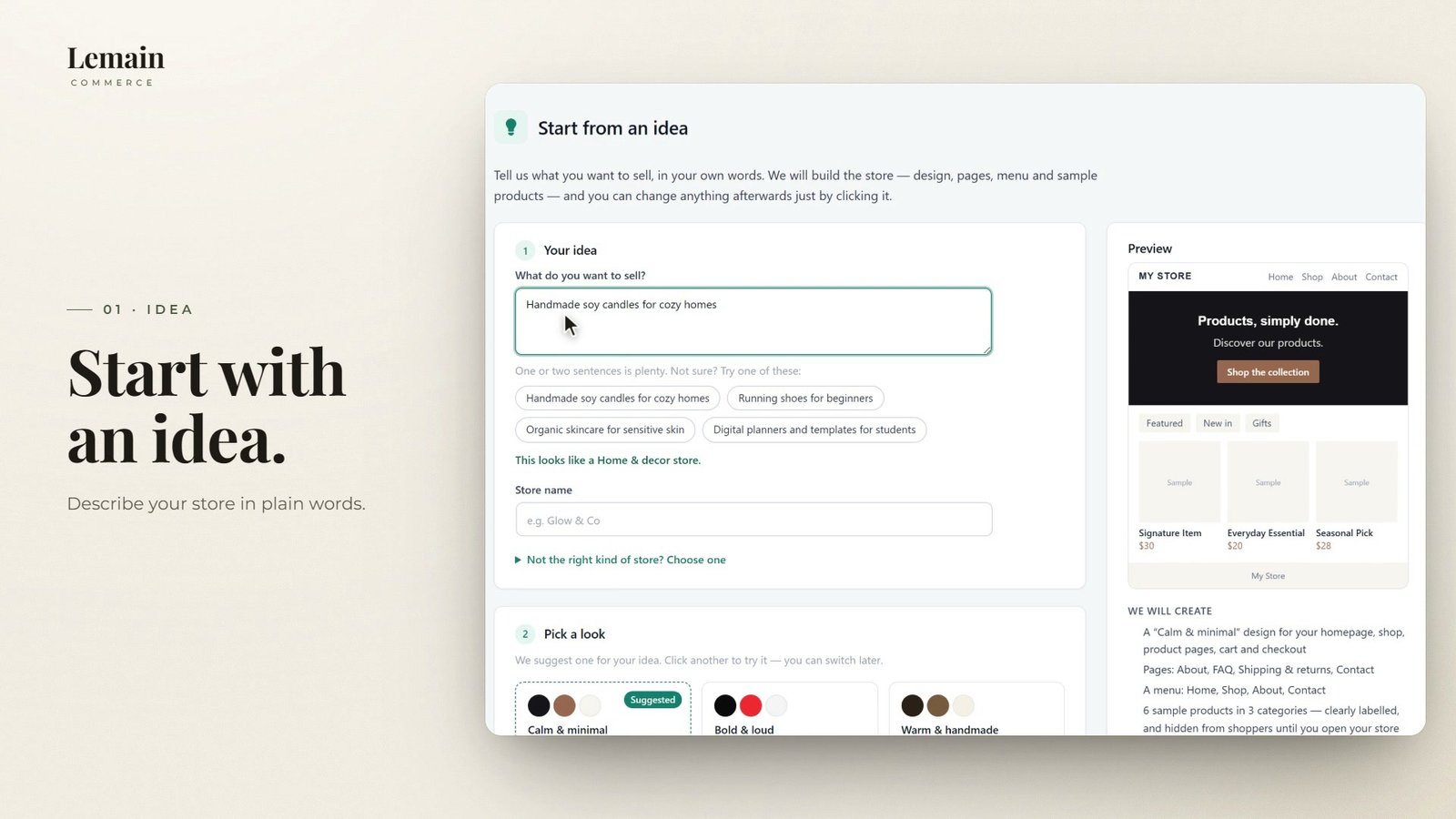
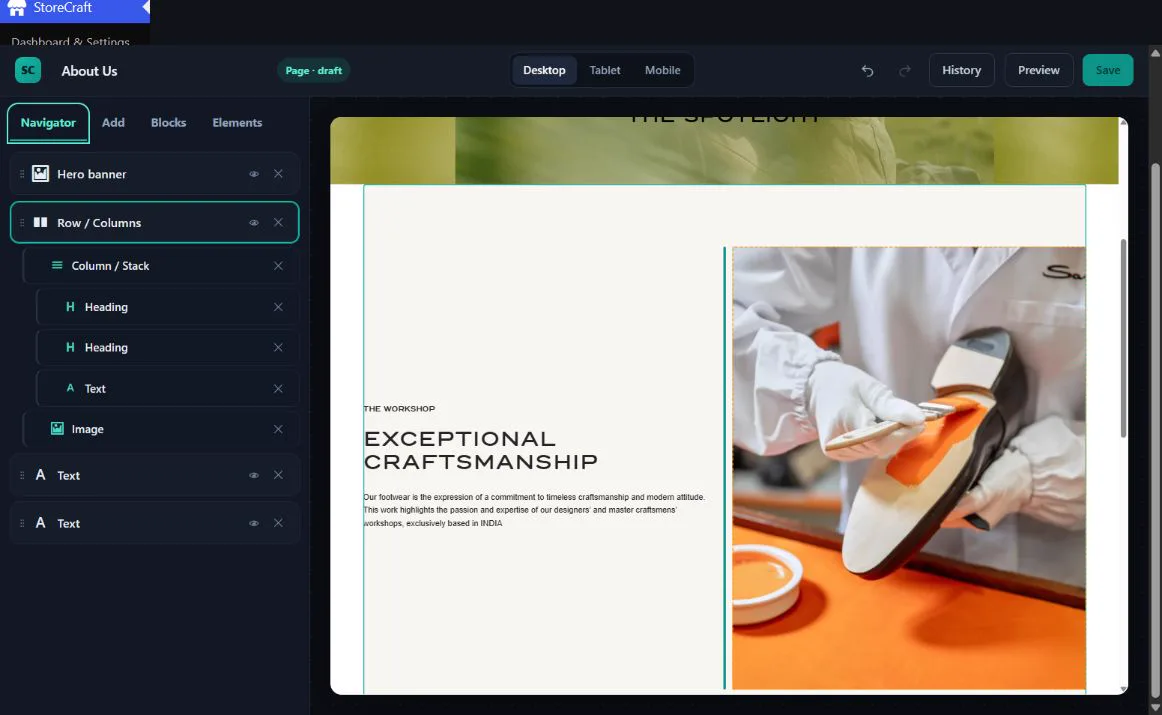
A WordPress and WooCommerce visual builder for editing layouts, reusable sections, storefront templates and global design settings.
Merchants need consistent control over typography, colour, spacing and layout without editing code for every change.
What I did
I wrote the product requirements, prioritised features, directed AI-assisted development and evaluated the editing experience. An existing storefront served as the benchmark for layout control, responsiveness and save-and-reload behaviour.
How it’s built
A standalone theme handles storefront presentation. A companion plugin provides the visual editor and template management. Layouts are saved as structured documents and rendered by PHP; JavaScript drives the editor; WooCommerce is the commerce engine.
Where it stands
An installable release candidate. Local installation and regression checks passed in September 2026. Hosted merchant testing and testing with first-time users are next.
The visual editor · captured 27 September 2026Product film · 14 s
Windows workspace · C# & WebView2
Keep the thought. Make it happen.
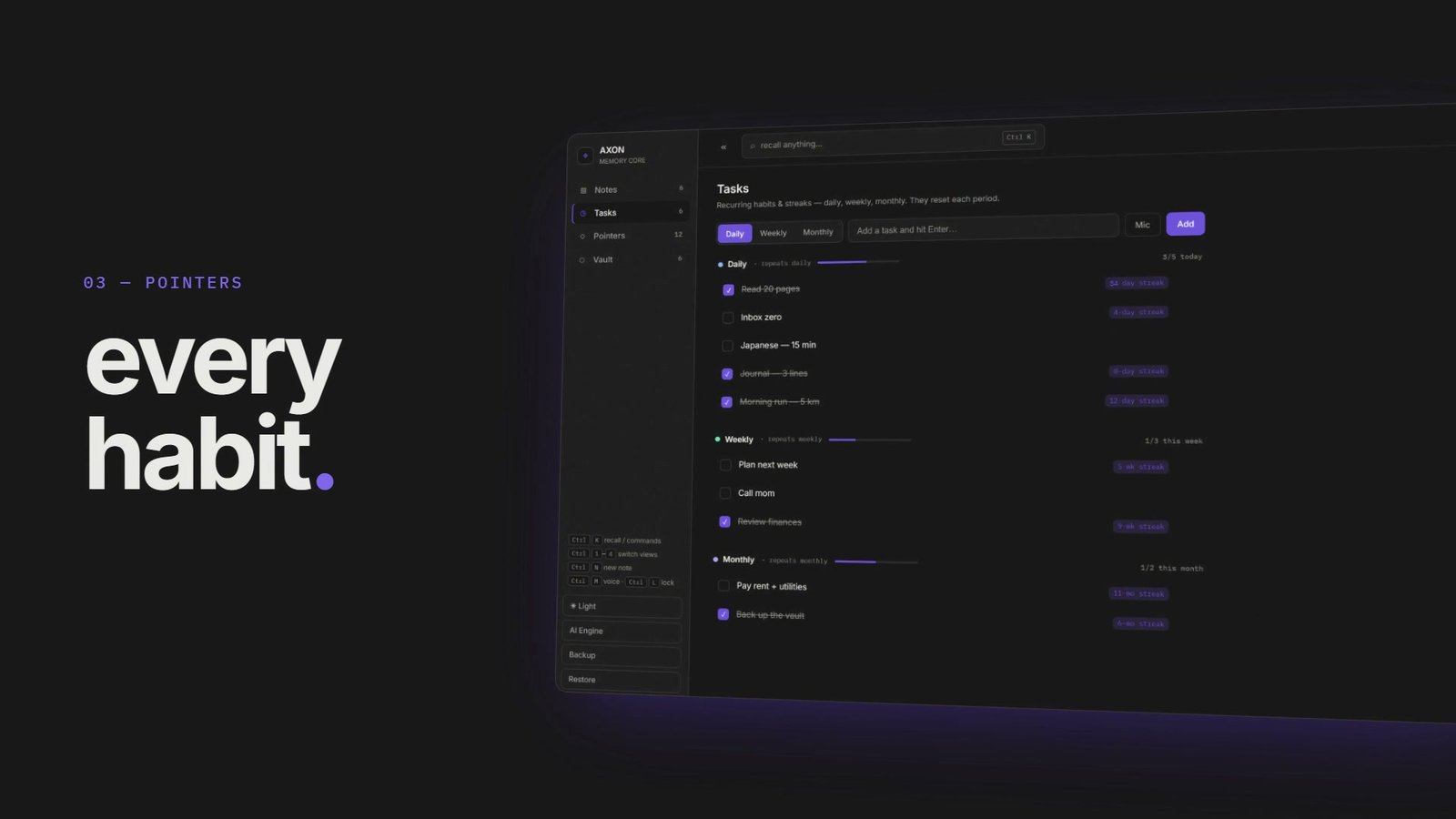
Notes, project pointers, recurring tasks and an encrypted vault in one local Windows workspace.
Small pieces of information get scattered across notes, task lists and browser tabs. Capturing something should be instant, and finding it later just as easy.
What I did
I shaped the combined notes-and-tasks experience, directed AI-assisted development and connected the web interface to a native Windows host and companion widget.
How it’s built
HTML, CSS and JavaScript inside a C# WebView2 host, with a tray icon, a global hotkey and an always-on-top widget. The vault uses a password-derived key with AES-256-GCM encryption and supports encrypted backup and restore. Optional AI and voice features call external services.
Where it stands
Installer source exists; the app isn’t publicly released. The encryption hasn’t been independently audited.
Inside the studio · 22 s
Script-to-film application · Applied AI
From script to visual story.
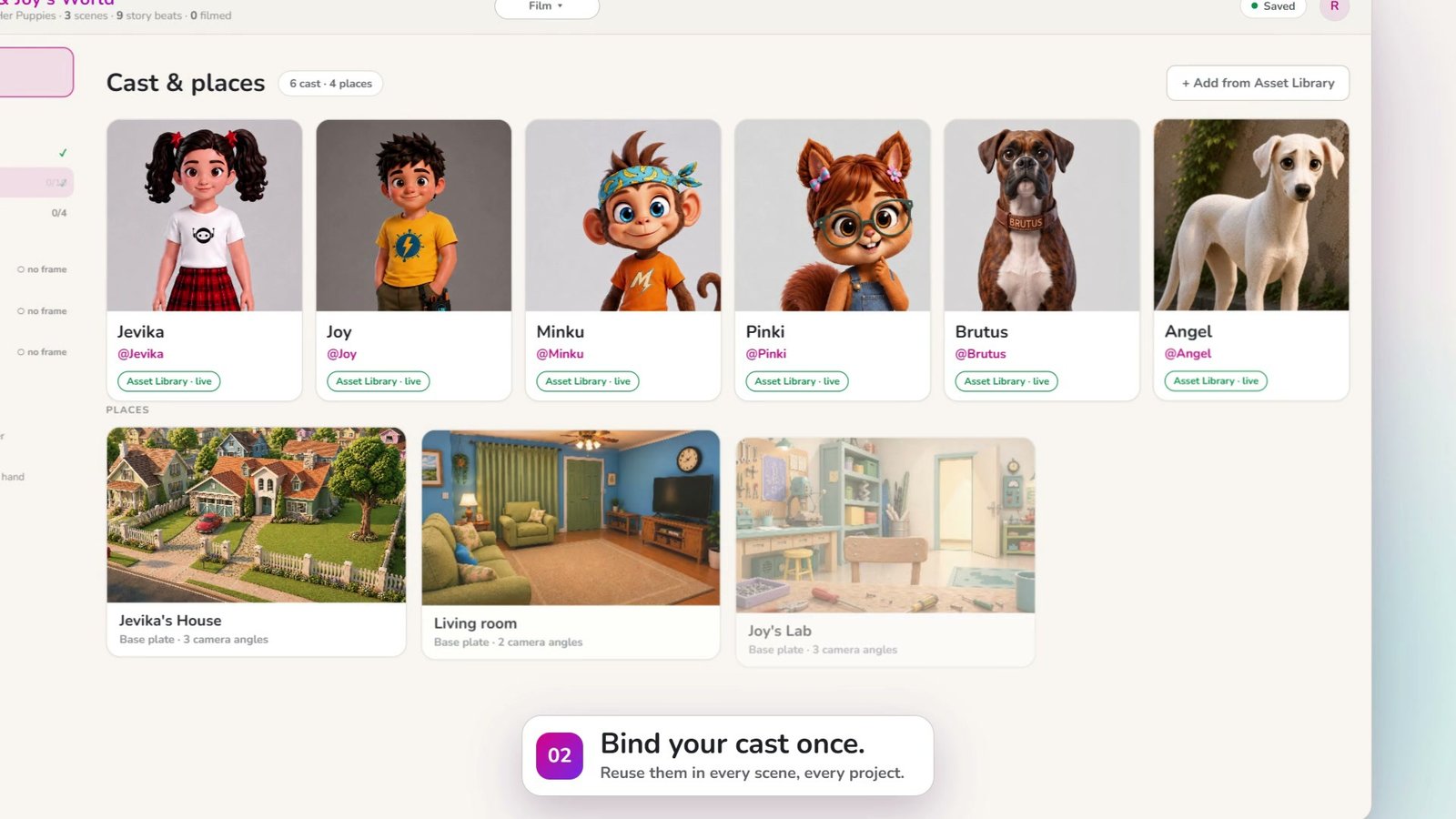
A director-led studio that turns scripts into storyboard frames and reviewable video clips, carrying cast references and creative decisions through a saved workflow.
Role
System design, AI API integration, workflow and prompt design, AI-assisted development
A useful shot needs more than a new prompt. It needs the right characters, the room and action that came before, and a clear decision about what changes next. Unnecessary references and repeated appearance descriptions can pull a generation away from that continuity.
What I built
I designed the system and directed its implementation with AI coding agents. Custom TypeScript orchestration connects script breakdown, scene and shot planning, multimodal prompt writing, image generation and asynchronous video takes. Directors can inspect and edit prompts before spending on generation.
Continuity before generation
The storyboard's third pass reads the predecessor image alongside prior-shot action and the next shot's context. It checks visible drift, selects relevant references and writes a change from that anchor: preserve the scene and other characters while changing the active character's action. Dialogue and directed reactions get distinct framing rules. The capped reference set protects selected character sheets and location anchors. This context pass runs before the next image is generated.
References and saved work
A Firestore asset library stores named cast, place and prop records; media lives in Cloud Storage. The app resolves selected references by name and storage path and validates them before sending. Accounts, project permissions, autosave, sharing and recoverable versions let a teammate reopen authorized work and continue it.
Director control and evidence
The film workflow compiles the chosen recipe, image order, reference bindings and settings into one preview and preflight. Each take retains its sent prompt and input evidence, including snapshots of mutable library images. Takes append, and the director confirms which story beats they actually cover before planning the next clip.
Long-running jobs
Video task IDs persist so reloading can resume status checks. Completed clips and last frames are copied into Cloud Storage under task-based names, letting repeat polls reuse saved media. Provider errors, generation facts and token usage stay visible. These controls preserve paid outputs across reloads and repeated status checks.
Memory upgrade
A separate Director conversation and memory system is built locally. It stores human-confirmed and withdrawn facts, revision history, bounded conversation summaries and the exact script behind each reply. It calls Vertex AI directly and protects against duplicate submissions. This is a newer local implementation, separate from the deployed generation flow.
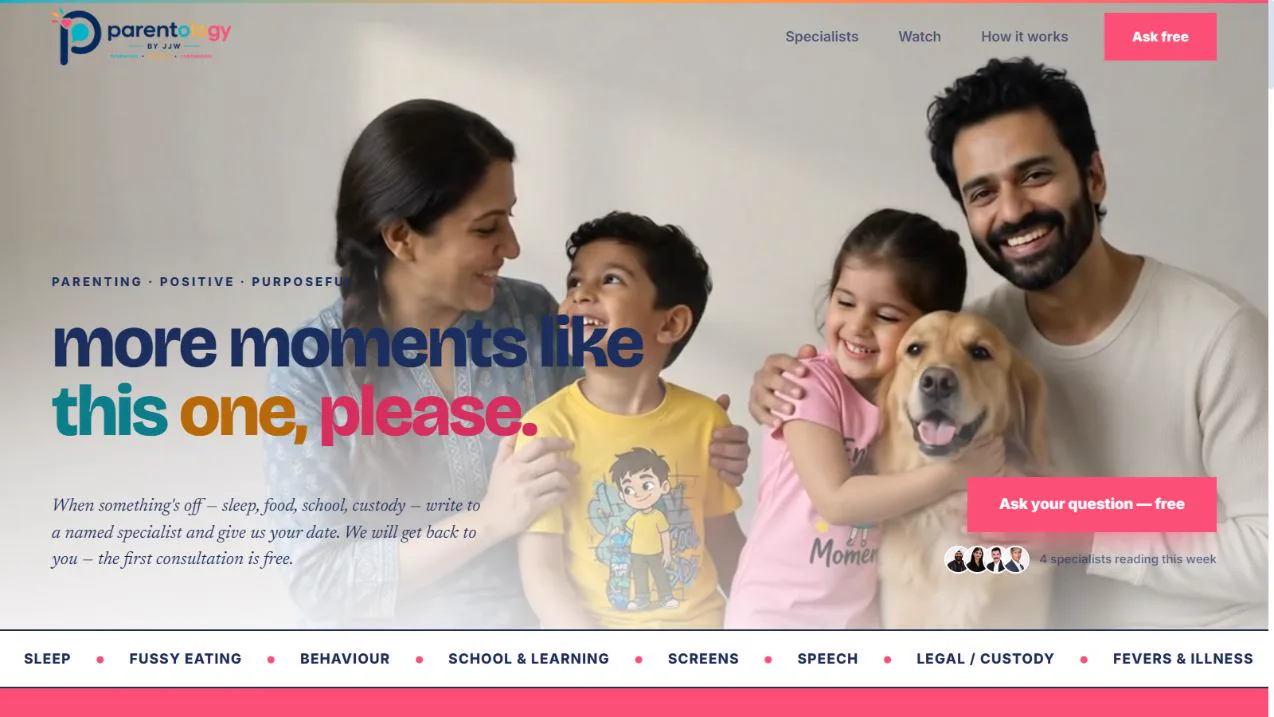
Homepage · captured 30 September 2026
Service website · Next.js
A question. A clearer next step.
A welcoming starting point for parents looking for useful information and specialist support.
Role
Website design and development
Stack
Next.js, TypeScript
Status
Live · work at JJW
The problem
Parents arrive with a specific worry. The site has to lead them to relevant content or the right specialist without feeling clinical.
What I did
I shaped the parent-facing experience and connected service information, content discovery and enquiry routes.
How it’s built
Next.js and TypeScript, with structured specialist information, a six-step enquiry form, server-side validation and email integration.
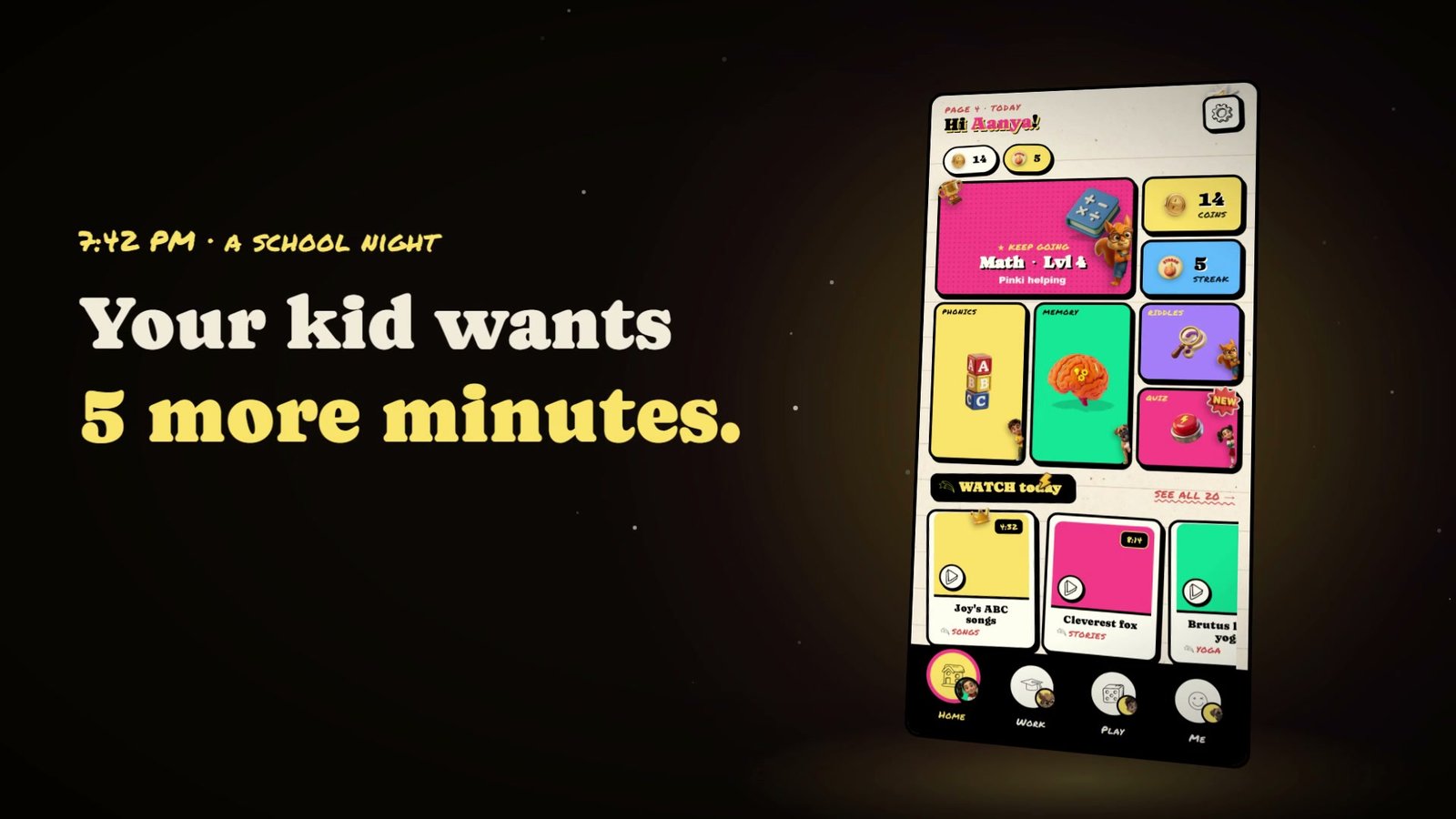
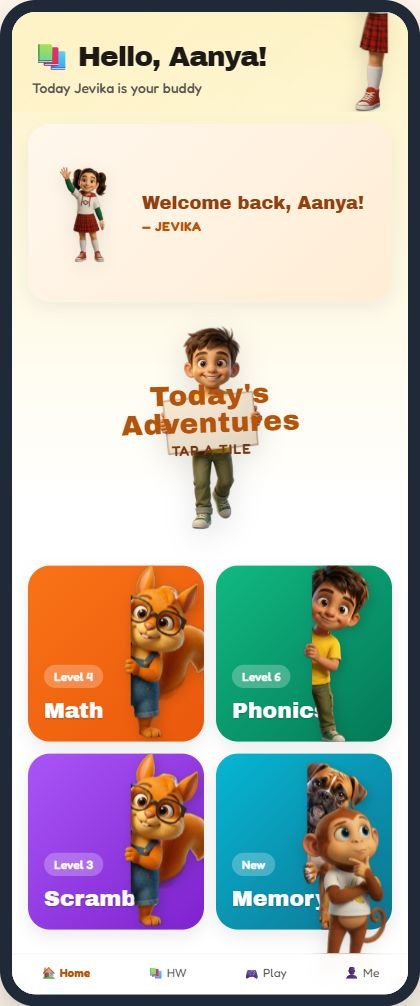
A playful screen is only part of a learning product. Content has to reach the right child, adults need ways to guide it, and finished activities need somewhere to go.
What I did
I shaped the learning and assignment flows, directed AI-assisted implementation and worked across the child interface and the tools for parents, teachers and content admins.
How it’s built
A browser-based child experience, React and TypeScript admin tools, and Firebase Auth, Firestore and Cloud Functions. Flutter mobile work is in progress.
Where it stands
In development and not publicly released. Classroom testing and evidence of learning outcomes are still to come.